

1. June - 31. October 2000

El Salvador

Like a phoenix from the ashes
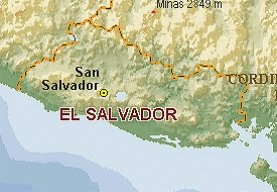
The earth bubbles in the heart of the jungle. Hot steam rises from a muddy boiling lake. Seven of the 60 volcanoes in El Salvador are still active. But they are not only a threat. The volcanic ash in the fertile valleys of El Salvador's highland plains is an ideal soil for growing coffee plants. Coffee beans as the most important export product earn valuable foreign currency income. However, the coffee business also furthered large-scale land holding in the hands of a few big landowners. Again and again, the social discrimination of small farmers and seasonal farm hands has been the cause for rebellions and unrest. In the 1970s, church circles increasingly supported the opposition in the country. It demanded a true reform of land ownership, the observance of human rights and more social justice. Open civil war broke out in 1979 which was ended only in January 1992 by a peace treaty between the government of ARENA (Alianza Republicana Nacionalista) and the rebellion organisation FMLN (Frente Farabundi Marti de Liberation National).
Since then Salvador has been going through a process of democratisation. The newly found political stability has helped make an economic boom possible. Many foreign companies invest in the growing industry sector, especially in the textile industry.
El Salvador is - geographically seen - so small that every larger city can be reached within four hours by car. The ethnic make-up is relatively homogeneous. By far the most Salvadorians are mestizo, descendants of the indigenous population and European immigrants. Nahuatl, the only surviving indigenous language, is nowadays spoken only in a few communities.