


1. June - 31. October 2000

Jamaica

Island of Springs
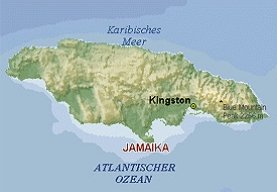
The Indian natives, the Arawak, called their island "Chamayka", island of springs. The numerous springs are still there today and please mostly the tourists coming to the island. Only a few traces remained from the natives as it happened on other Caribbean islands as well. After the discovery of the island, the Spanish managed to exterminate the Arawak almost completely by forced labour and illness brought into the country. They were replaced by black slaves from Africa already from 1517 onwards. Spain remained the colonial power only until 1655 when Jamaica became an English colony. In 1962 Jamaica gained its independence but stayed a member of the Commonwealth.
Worldwide fame of the island came through music. Already in the 50ies, Harry Belafonte rose to international stardom with Jamaican folk songs. Later Bob Marley was the most important ambassador of Reggae. Reggae music developed in the 60ies as a mix of African and South American rhythms with elements of Blues, Soul and Rock. The lyrics tell about the oppression of the poor population and their wish for a better life.
The Reggae is closely connected with the Rastafari movement, a political-religious trend that arose in the 30ies among the African population of the island. It strives for political independence and contains elements of African religion with ides from the Old Testament.
Besides tourism, Bauxite mining and processing is one of the main income sources for the Jamaicans. Jamaica belongs to the largest producers of Bauxite and Alumina. Other important foreign exchange earners are raw sugar, molasses and of course the famous Jamaica rum.