


1. June - 31. October 2000

St. Vincent and the Grenadines

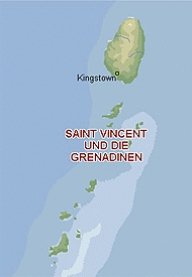
In the Arc of the Lesser Antilles
The volcanic island of St Vincent and the island group known as the Grenadines are located in the arc of the Lesser Antilles. St Vincent claims more than 90 percent of the area and of the population of the island state and is the economic and political centre.
Descendants of African immigrants make up almost all of the inhabitants of St Vincent. In the 18th century Africans had been brought by the French and British to work as slaves on the islands' sugar and cotton plantations. Immigrants from neighbouring islands, who worked on the plantations after the end of slavery, form a minority. The Caribs, who inhabited the island prior to the colonial period, hardly live in St Vincent anymore. For a long time they resisted British colonialism, which took control after defying French territorial claims. Following an unsuccessful rebellion in 1796, most of them were deported.
In 1979 St Vincent became completely independent, since which time it has had a politically stable democratic regime. Its cultural is influenced by the diverse traditions of the different ethnic groups and its colonial heritage. English is both the official and the colloquial language. Banana exportation is now the main source of income for several thousands of family businesses in the agricultural sector. However, the pending loss of privileges in trade with the European Union poses a problem. The country's economy, for the most part agricultural, was dealt hard blows in 1979 in the form of a volcanic eruption and various hurricanes. In contrast, tourism has been improving. Cruises now bring important currencies into the country and the Grenadines have become a popular destination for yachtsmen and sports fishermen.