

1. June - 31. October 2000

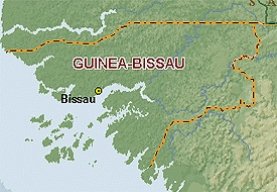
Guinea-Bissau

A glimpse of the future
Guinea-Bissau was the first Portuguese colony, gaining independence from 500 years' colonial rule after a bitter and bloody conflict. The country was first discovered in 1446 by Portuguese seafarers and taken into possession twenty years later.
The resistance against Portuguese rule began in 1956 under the leadership of Amilcar Cabral. In 1973, Cabral - who had become a symbolic figure in the anti-colonial resistance throughout Africa - was murdered. But the independence movement was unstoppable by then and in the same year the Republic of Guinea-Bissau was proclaimed. The freedom movement PAIGC (Partido Africano de Guiné e Cabo Verde) took over government.
For many years, the country was exclusively ruled by the PAIGC state party. Elections in which opposition parties were also allowed to stand took place for the first time in 1994. By the beginning of 1998 Guinea-Bissau appeared to be on the right track. The initiatives of the private economy began to bear fruit, and the road network was expanded. The International Monetary Fund, so important to poor countries, spoke positively of the country and graded it among the "strong performers". The political liberalization also contributed to a revitalization of cultural life.
All this meant that the effects of the civil war which broke out in 1998 struck the country so much the harder. This was caused by the removal from office of the Chief of Staff of the army, who then overthrew the state president who had been in office since 1980. The fighting raged for ten months, costing the lives of over 2,000 people.
In November last year elections were held which were deemed by international observers to be "free, transparent and fair". Since February this year, the Guinea-Bissau administration has been headed by a democratically-elected president and a parliament which is the result of legitimate elections.