

1. June - 31. October 2000

Mozambique

From war to economic boom
It is a nutritious part of any bag of mixed nuts: cashews. Next to tea, sisal, copra and sugar, the cashew nut is one of the agricultural exports of Mozambique.
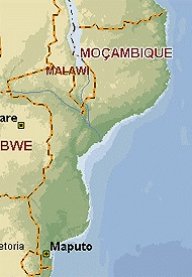
Mozambique lies directly on the Indian Ocean in southeast Africa, making it primarily an agricultural country. Small farming families of Mozambique grow manioc, maize and millet for their own use; the economic boom of the last few years has gone largely unnoticed by these farmers.
International investments have provided double digit growth rates for Mozambique, but investments are primarily made into the infrastructure, which was almost completely destroyed after nearly 30 years of war.
During the Zimbabwe and Monomotapa empires, trade with Arabs on the coast of Mozambique flourished. Portuguese settlers began arriving in the 16th century, tempted by gold and slaves. In 1964, the Frelimo, today's ruling government, began an armed liberation fight against the Portuguese colonial regime.
After declaring independence in 1975, Mozambique experienced only a brief period of recovery. A rebel army, supported by the South African apartheid regime, led a gruesome war against the people and government.
The situation in Mozambique is once again improving since the peace treaty in 1992. The Maputo, Beira and Nacala harbours, that serve the African inland states, are being rebuilt with assistance from abroad. Investors are also interested in the largely undeveloped sources of raw materials (iron, gold, bauxite, titanium), great energy potential (water, coal, natural gas) and the tourism sector. Mozambique entices with its 2,800 kilometers coast and endless, often untouched beaches.