1. June - 31. October 2000
Namibia

Reconstruction - Redistribution - Reconciliation
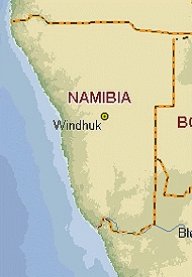
Whoever lands at the Frankfurt airport is standing on Namibian soil. The marble in the halls comes from the quarries of Karibib. And, in the capital of Namibia, Windhoek, where you can see half-timbered houses with steel gables, there are pubs, black forest gateaux and pork knuckles, in the shadows of modern structural engineering. Namibia became a German-speaking South African colony in 1884, as a settlement foe German farmers. The local people were forced into subordinate work and partially exterminated: after German suppression of an uprising, only about 15,000 of the 80,000 Hereros remained. South Africa was made caretaker of the country by the League of Nations via the "mandate", after WWI. Only in 1990, after more than a hundred years of foreign rule and racial segregation, could the flag of an independent Namibia be raised; Namibia had fought for independence for more than 20 years. For the first time, everyone was equal in the eyes of the law, regardless of race. During the mandate, raw materials such as diamonds, non-ferrous metals and meats were processed or marketed in South Africa. Groceries and consumer goods were supplied by South Africa. Until today, Namibia produces what it does not use and uses what it cannot produce. Only now, a processing industry is being developed. Livestock breeding in this dry land, with its deserts and partial deserts is an important source of income for the population. Fish processing and tourism are growth industries. A good infrastructure, the Namib Desert with its dunes, the secluded Skeletal coast, the wide Kaokoveld and game parks offer excellent conditions for the development of individual tourism.