
1. June - 31. October 2000

Solomon Islands

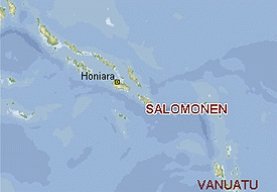
King Soloman's gold...
Coral reefs and atolls, vast forests and coastal plains, make the Solomon Islands look like the last paradise on earth. But the seven main islands of the Archipelago - there are 800 in all - have a turbulent history. Archaeological finds substantiate that the islands were settled more than 3,000 years ago. They got their name from a Spanish expedition in 1568. The discoverers claimed that the biblical King Solomon used gold from these islands to build the temple in Jerusalem. European traders, missionaries and settlers tried for a long time, but with little success in colonialising the Melanesians. The Pacific Islands became increasingly significant with the economic development of Australia. Approximately 3,000 workers from Fiji and Queensland were brought in to work on sugar plantations between 1870 and 1910. The natives continually resisted these coercive methods of recruitment. A certain order was attained only in 1893, with the handover of power to the British.
During WWII the Salomon Islands were the scene for one of the fiercest battles military battles at sea. In capturing one of the largest islands, Guadalcanal, the United States lead the war in the Pacific; the United States airforce base Honiara became the new capital of the Salomons, thus replacing Tulagi, which was almost completely destroyed. Many Japanese still visit the battlefields. The Salomons have had a parliamentary democracy since 1978, are an independent state and belong to the Commonwealth. Farming, fishing and, above all, the forest industry form the economic basis of this land. Tourism development is also increasingly on the rise.