
1. June - 31. October 2000

South Africa

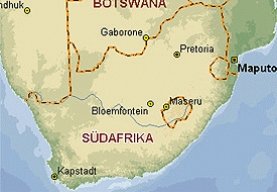
On the Cape of Good Hope
"!ke e: /xarra //ke" in the Xhosa language means literally "different peoples united". It stands as a reference to the indigenous inhabitants of South Africa and as a motto for the future on the country's new coat of arms.
With the introduction of free and universal elections in 1994, South Africa was once again accepted into the international community. The first black president of the country was Nelson Mandela, who had become a symbol of the fight against the policy of apartheid. Imprisoned on Robben Island for 36 years, his release in 1990 was the beginning of the end of apartheid.
Whilst it practiced apartheid, South Africa was a pariah among other nations. Division according to skin color was practiced at all levels of society. There were strict regulations governing where the "non-whites" were allowed to live and work. The right to vote was restricted to the white minority. The racist oppression cost thousands of lives. The Commission for Truth and Reconciliation, which was formed to deal with the after-effects of this bitter past, gained international recognition.
The removal of apartheid also means freedom for the whole region. South Africa is by far the strongest economic power in southern Africa. This is invaluable in the promotion and underpinning of the development of the whole region. Yet in the country itself there are also many enormous problems to be overcome. The apartheid regime neglected to industrialize the developing areas. South Africa's wealth relies essentially on its rich natural resources. And the social deprivations suffered by the majority of the population during the long years of apartheid will take a long time to overcome.
But hope has returned in the country of the stormy cape which marks the most southerly point of Africa and separates the Atlantic and Pacific Oceans.