

1. June - 31. October 2000

Chad

Rebellious Country
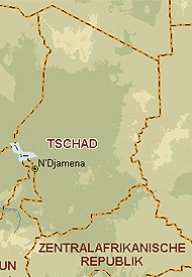
Geographically, Chad is located in the very center of Africa. The continent's fifth biggest country is three times the size of Germany and extremely sparsely populated. Its arbitrarily drawn borders derive from its colonial times.
For many centuries, the Libyans controlled the country's northern desert regions. In the 9th century, the African Kanem-Bornou Empire dominated parts of the Sahara and the south. Islamic religion was accepted quite early on. Slave trade and the control of the trade routes from the Mediterranean to Black Africa, which traversed the Sahara, were the region's economic bases in pre-colonial times. Time and again, there were clashes between the cattle-breeding nomads in the north and the settled farmers in the south.
Around the 1900s, the region became a French colony. In particular, the nomadic desert communities in the north resisted French colonial control for a long time. In the black south, forced labor and the deployment of tax collectors ensured the cultivation of cotton through violent means.
The north-south divide that marked the country's history also determined its destiny in post-colonial times. Only a few years into its independence, civil war started and stretched over thirty years. The war and tumbling timber prices hit the country's economy hard. In addition, there were devastating droughts which struck the country's north as well as the whole of Sahel in the 70s and 80s.
Today, economic prospects are improving with the exploitation of crude petroleum and gas to the north of Lake Chad. Extraction is expected to start in 2002. There are also unexploited uranium and ore deposits in the Aozou strip along the border to Libya.