

1. June - 31. October 2000

Mauritius

Creole culture in a welfare state
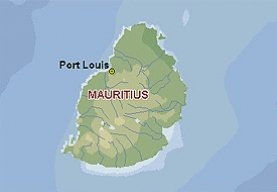
Arab and Portuguese seamen discovered the island of Mauritius, but it was the Dutch who built the first permanent base here in 1598. They named the island after their governor of the time, Mauritz von Nassau. In 1715, the French replaced the Dutch as the colonial power. With this began the systematic development of settlements, and the building of sugar plantations that were worked by black slaves. The British conquered Mauritius in 1810. After slavery was banned, black slaves were replaced with cheap labourers from India, thus laying the foundations for the colourful and diverse population of this island state. Even today, the Creole charm, and a culture that values individual freedom and understanding has been maintained.
When Mauritius became independent in 1968, it became evident that wealth could not be acquired by sugar alone. The government supported several economic initiatives that produced products specifically for export purposes. These export products provided Mauritius with growth, employment and modest wealth. The tourism industry was also built up and improved; coasts and largely undeveloped wooded mountains offer good conditions. But even here conflicts loom. The exclusive tourism industry thrives on long beaches and untouched nature; factories that produce export products use land and disrupt nature more than the tourism industry can bear.
Economic growth has made the development of a welfare state in Mauritius possible. The unemployment rate is under 10 per cent, and more than 90 per cent of children can attend a primary school.