

1. June - 31. October 2000

Tanzania

Defender of African unity and freedom
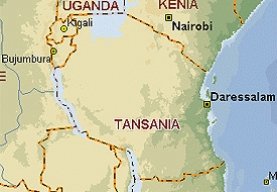
Tanzania's large harbour city on the Indian Ocean is Salaam, which means "Gateway to Freedom". Founder Julius Nyerer characterised his people by saying: "Here the people would speak to one another rather than fight each another". More than one hundred African nationalities, as well as Arab and Indian ethnic groups live in peace on the coast and on the island Zanzibar. An important link is their language, Swahili. This is the traditional common language, and early Swahili writings reveal highly developed cultures before colonialism. Uhuru, which means freedom in Swahili, has become part of international vocabulary. The once German, then British colony became politically independent in 1961. The new government passionately appointed itself to encourage independence for the other African states and African unity. Tanzania became the destination for those persecuted in South Africa, and provided an international platform for opposing white supremacy in South Africa.
Tanzania is also associated with the Serengeti, the enormous national park in the Northwest. The extensive efforts, including generous contributions from the government to protect the environment and wildlife deserve the utmost respect.
And then there is the Zanzibar: the fragrant fantasy island for Sindbad the Sailor. In an exchange deal with the British, the German colonial rulers exchanged the former Arab Sultan-ruled state for Heligoland. In 1963, Tanzania achieved independence. One year later, Tanzania and the united mainland country Tanganyika joined to become the Tanzania Republic.